

Depression: Myths and Facts You Should Know
Depression is one of the most common mental health conditions worldwide, yet it remains surrounded by misconceptions that can prevent people from seeking the help they need. Understanding the truth about depression – how it develops, how it affects people, and how it can be treated – is an important step toward support, recovery, and compassion for yourself or someone you care about.
Here, we separate myths from facts to provide a clearer picture of what depression really is.
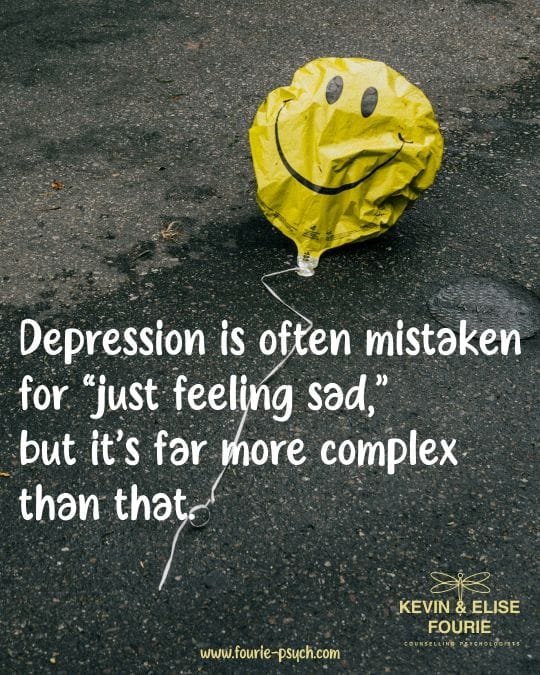
Myth: Depression Is Just Sadness
It’s common to confuse depression with feeling sad or low, but depression is far more than a temporary mood. While sadness can be part of depression, clinical depression affects how a person thinks, feels, and functions for weeks or months, often without a clear trigger. It can interfere with daily life, relationships, sleep, appetite, energy, and concentration.
Fact: Depression is a serious mental health condition that requires understanding and appropriate support.
——
Myth: Depression Is a Sign of Weakness
Some people believe that depression reflects a personal flaw or lack of willpower. This misconception adds unnecessary stigma and can make individuals feel ashamed for experiencing depression.
Fact: Depression is a medical condition involving complex interactions of genetics, biology, life experiences, and brain chemistry. It’s not a weakness or a failure of character.
——
Myth: You Can Just ‘Snap Out of It’ or Will It Away
Telling someone to “just cheer up” or “snap out of it” minimizes their experience and may make them feel misunderstood. Depression is not something a person can simply will themselves out of by thinking positively.
Fact: While self-care and positive coping strategies are beneficial, clinical depression often requires professional support, such as talk therapy, lifestyle changes, medication, or a combination of treatments tailored to the individual.
——
Myth: Only Adults Get Depression
People sometimes assume that depression only affects adults, but that’s not true. Children, adolescents, and older adults can also experience depression. In young people, symptoms may look different and can sometimes be overlooked as “normal moodiness.”
Fact: Depression can affect individuals of any age, and early support can make a significant difference in outcomes.
——
Myth: Depression Will Go Away on Its Own
Some people delay seeking help because they expect depression to resolve by itself. While mild mood changes may improve, clinical depression left untreated can persist for months or even years and may worsen over time.
Fact: Depression is a treatable condition — and the earlier support is accessed, the better the chance for improvement.
——
Myth: Only Medication Helps Depression
Medication can be an effective part of treatment for many people, especially when symptoms are severe. However, antidepressants are not the only avenue for recovery.
Fact: A combination of approaches — including psychotherapy (talk therapy), lifestyle adjustments, exercise, social support, and medication where appropriate – often offers the best chance of recovery.
——
Why Understanding Depression Matters
When myths about depression persist, they reinforce stigma and may discourage individuals from seeking help. Recognising depression as a real and treatable health condition enables people to approach it without shame and to access the support they deserve.
If you or someone you care about may be experiencing depression- especially if symptoms have persisted for more than two weeks or are impacting daily functio- consider reaching out to a qualified mental health professional. Early support can lead to meaningful improvement and a more fulfilling life.
At Kevin & Elise Fourie Counselling Psychologists, we provide a safe, compassionate space to explore emotional difficulties, including depression. Our psychologists work with you to understand your experience and create a treatment approach tailored to your needs. Reach out today.
📞 Tel: (012) 348-1342
📱 WhatsApp: 063 676 3422
📧 Email: admin@fourie-psych.com
#DepressionRecovery #MentalHealthAwareness #FourieCounselling #EmotionalHealth #KevinEliseFourie #CounsellingPsychologists


